
Mobile Viewing / Viewing on a small screen
Viewing this website on smaller screens will disable the table information. To view this data please view the site on a desktop computer or rotate your device to landscape.

Trees
Cedar
(Cedrus)

Summary
| Order | Family | Genus |
|---|---|---|
| Pinales
(Pinales) |
The Pine family
(Pinaceae) |
Cedar
(Cedrus) |
Overview
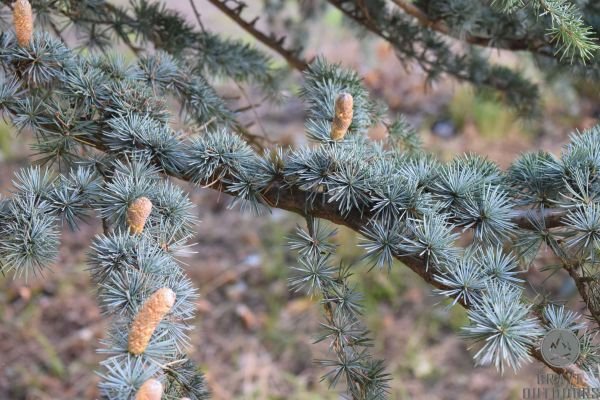
There are only four species. A nice way to identify the three major species is to look at how the branches radiate from the trunk (downwards or drooping = deodar, level = Lebanon, ascending = atlas).
Cedars are quite as striking trees and often easily recognisable once you have seen one; see below gallery.
Cedar is grown for its hard and durable wood. It has a sweet fragrance. Additionally an oil similar to turpentine can be obtained from the wood.
Bushcraft
Good for firewood.
Click below for more information of individual species at Plants For A Future website (PFAF.org)
General Info
| Description | Data | Notes |
|---|---|---|
| Season | Evergreen | |
| Edible | No | |
| Uses | Low | See below. |
| Burnability | Good | Burns well but can spit |
| Hardness Rating | 20 | Rough scale of hardness from 0 - 100
(Zero being the softest wood and one hundred being the hardest) |
Gallery and Identification
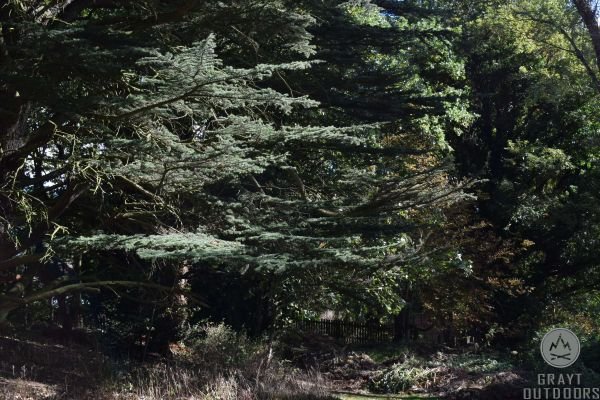
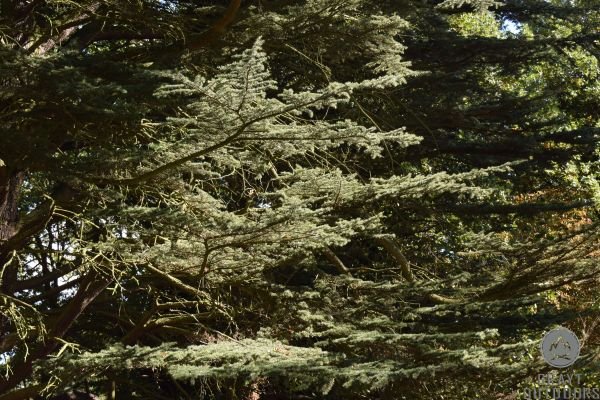
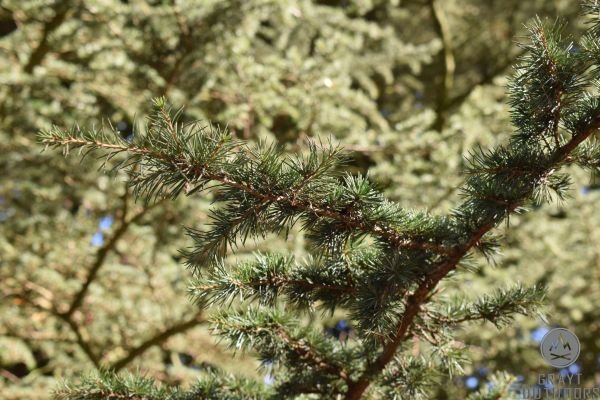
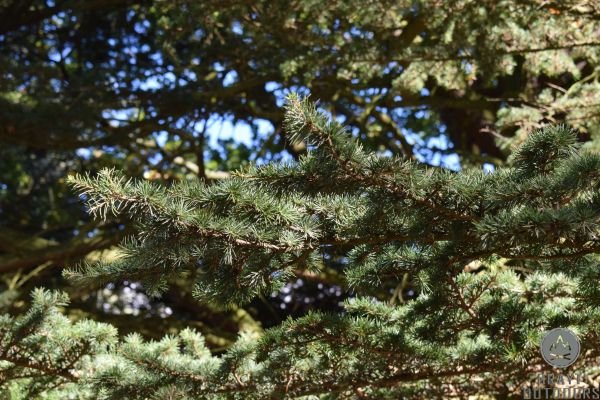
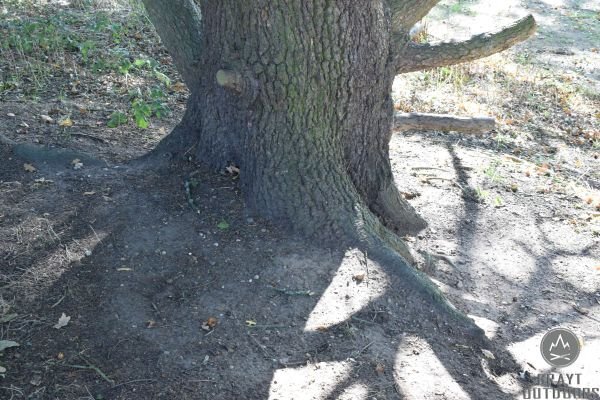
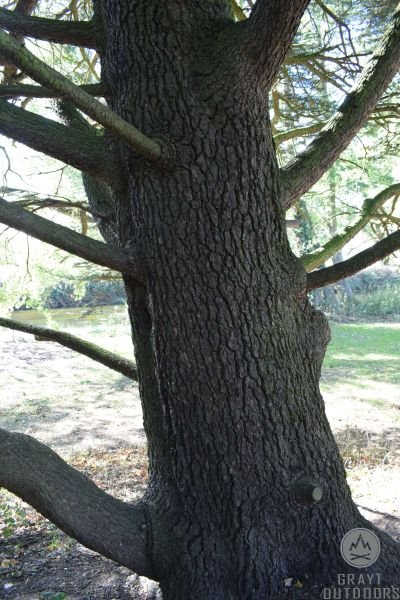
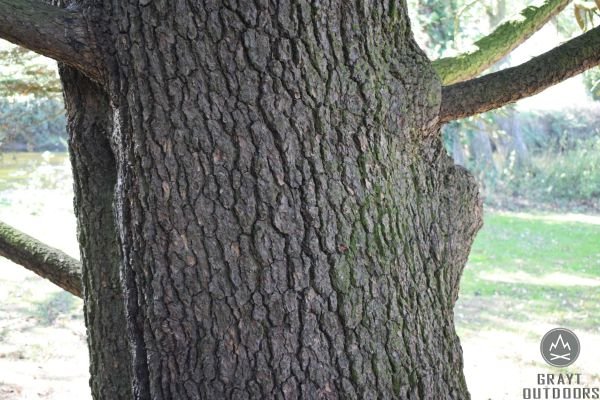
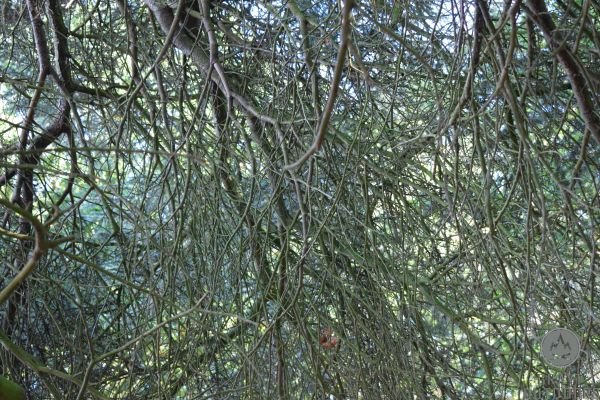
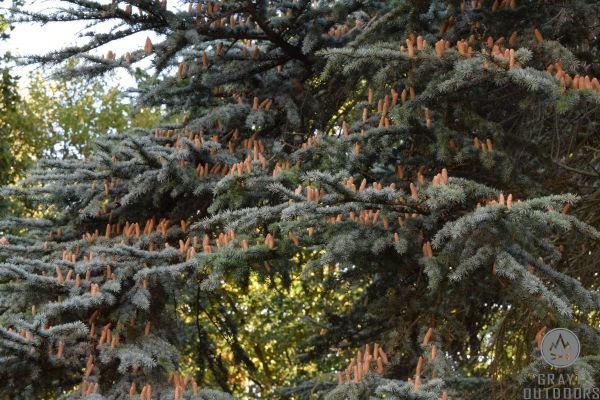
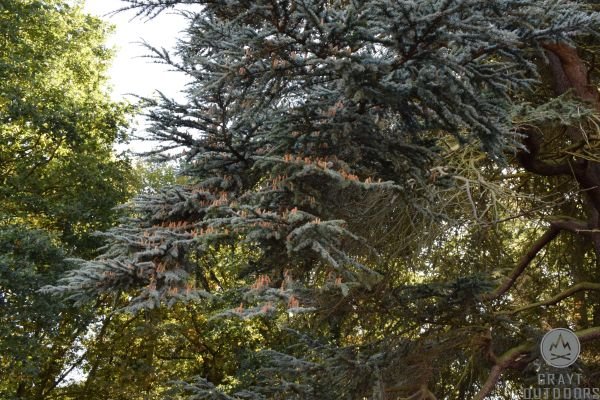
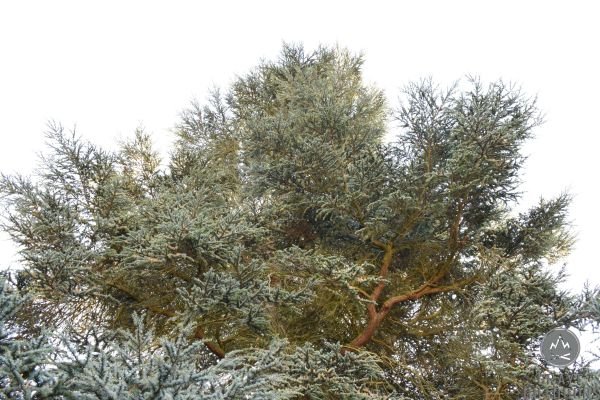
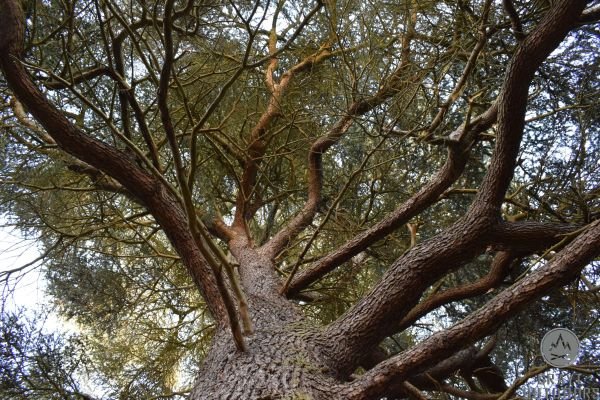
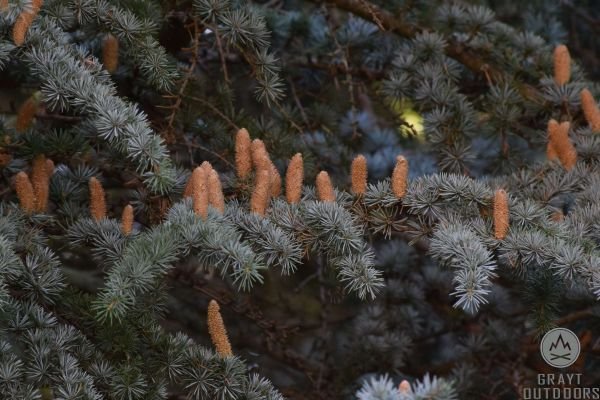
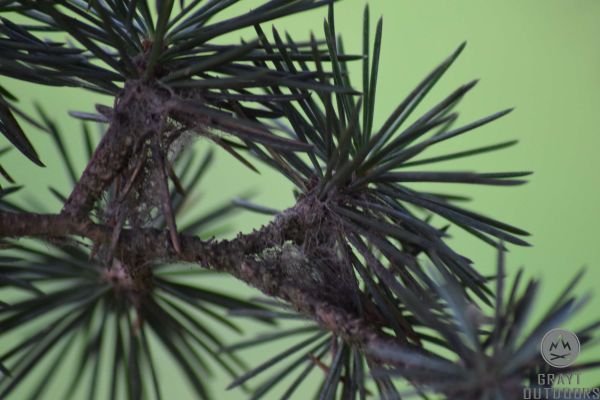
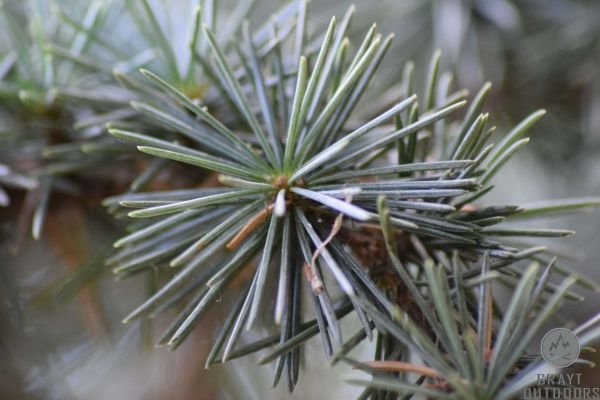
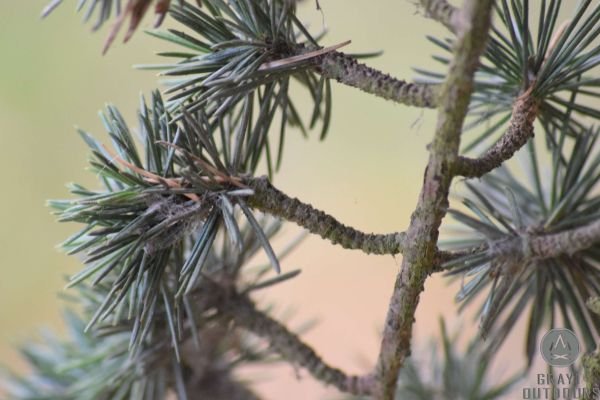
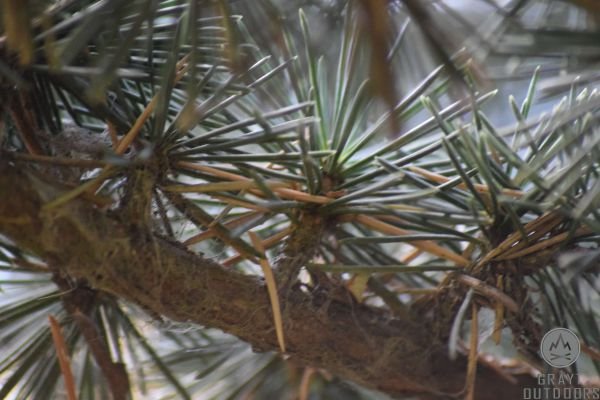
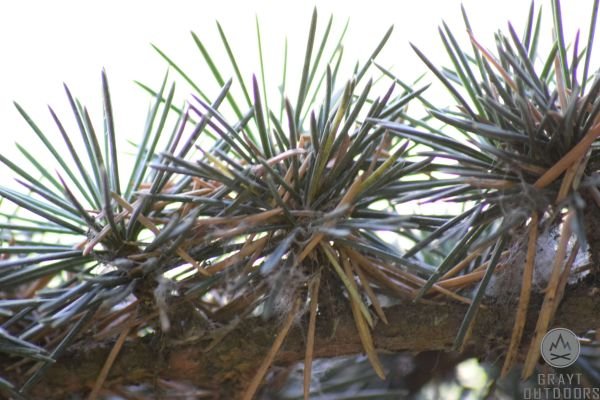
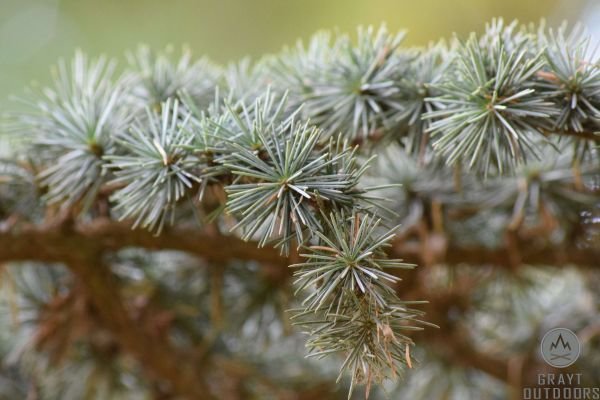
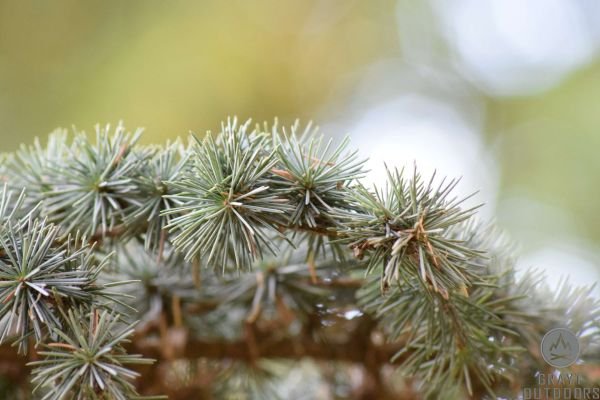
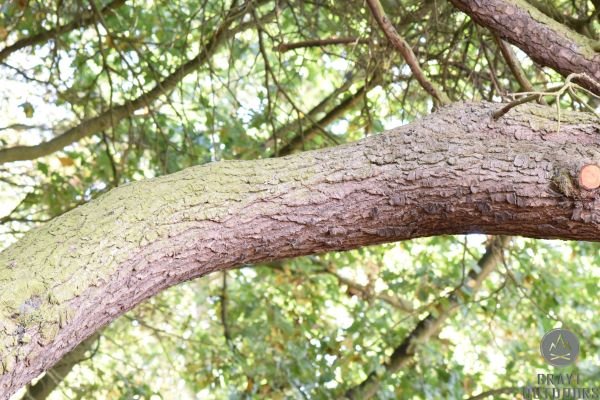
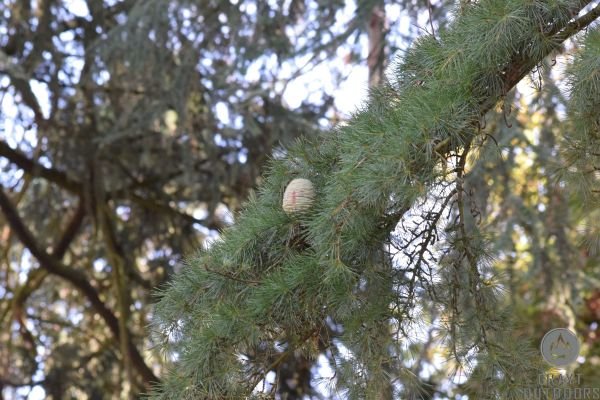
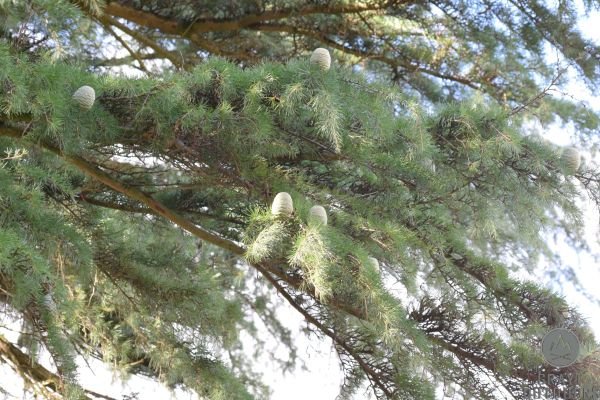
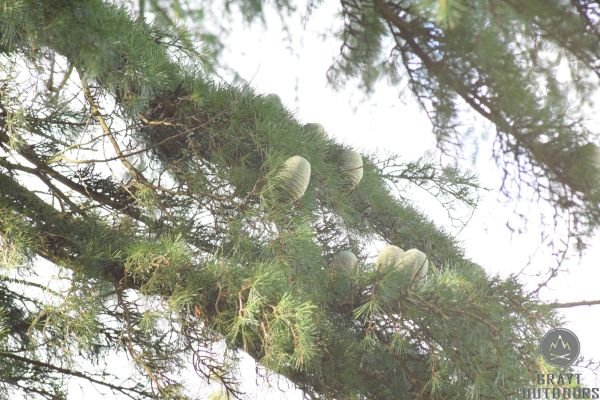
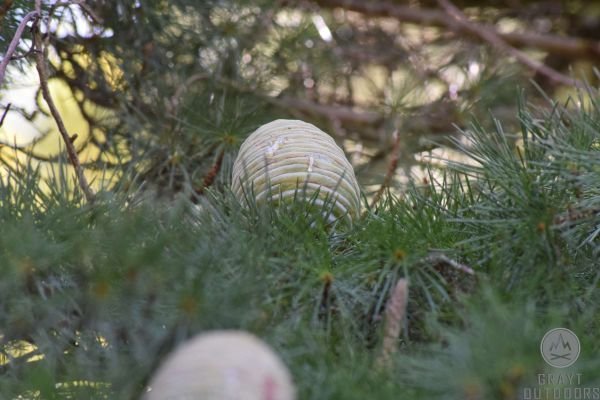
Features common to majority of species:
Size - Species variation - 40m to 20m Altas Cedar/Cedar of Lebanon to Cyprus Cedar (Cedrus brevifolia)
Bark - in all species of the bark is dark grey/black. It can be very fissured in older trees.
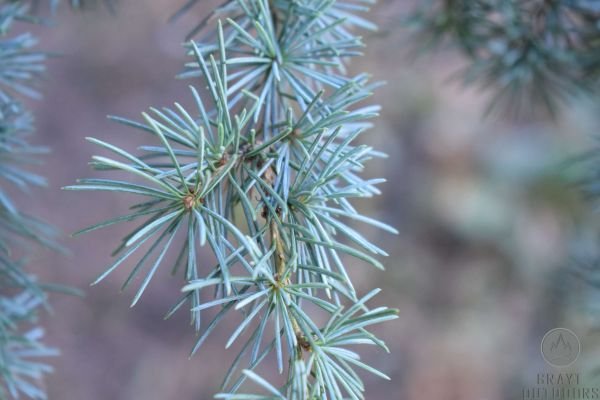
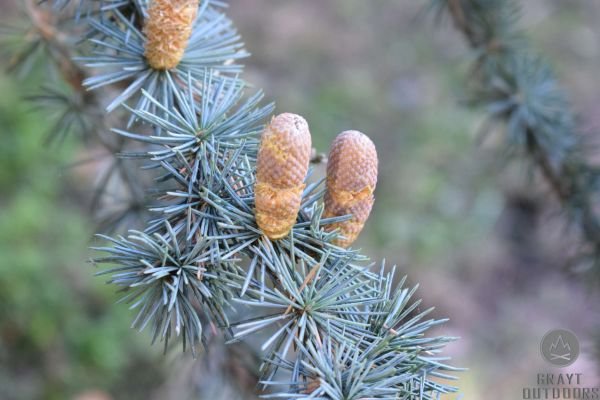
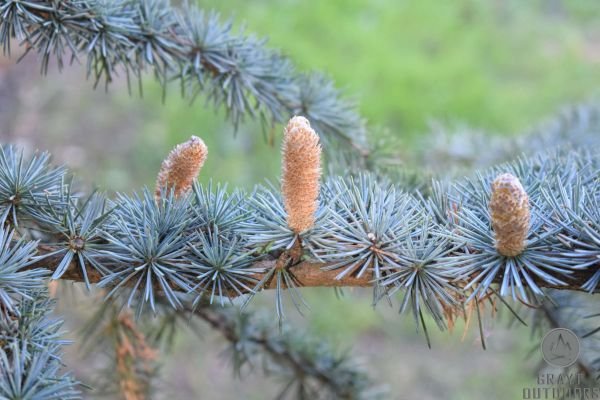
Leaves - Needles that grow in clusters from a central woody peg; usually between 15 to 20 in a cluster. Needles are usually dark green.
Reproductive Parts - the cones of cedars are very dense and quite large compared to the cones of all the conifers. They stand upwards from the branches. The flowers of cedars can also look cone like.
Distribution - Europe and Asia.
Surroundings - naturally cedars grow in higher altitudes. Planted for wood in the UK and also in parks.
Resources
Firewood